
The Ultimate Guide to Storm-Resistant Trusses for Coastal Areas
Understanding the Importance of Storm-Resistant Trusses
Coastal areas are beautiful, but they come with the challenge of unpredictable and severe weather conditions. Homes in these regions need robust structures to withstand high winds and heavy rains. Storm-resistant trusses are a crucial component in ensuring the safety and longevity of these buildings.

Trusses act as the backbone of a roof, distributing weight and providing support. In storm-prone areas, they need to be specially designed to handle extreme conditions. This guide will explore the features of storm-resistant trusses and why they are essential for coastal properties.
Key Features of Storm-Resistant Trusses
When selecting trusses for coastal homes, it's important to consider their design and material. These trusses are typically made from reinforced materials like steel or specially treated wood, offering increased durability. Engineered trusses can also provide additional strength through innovative design.
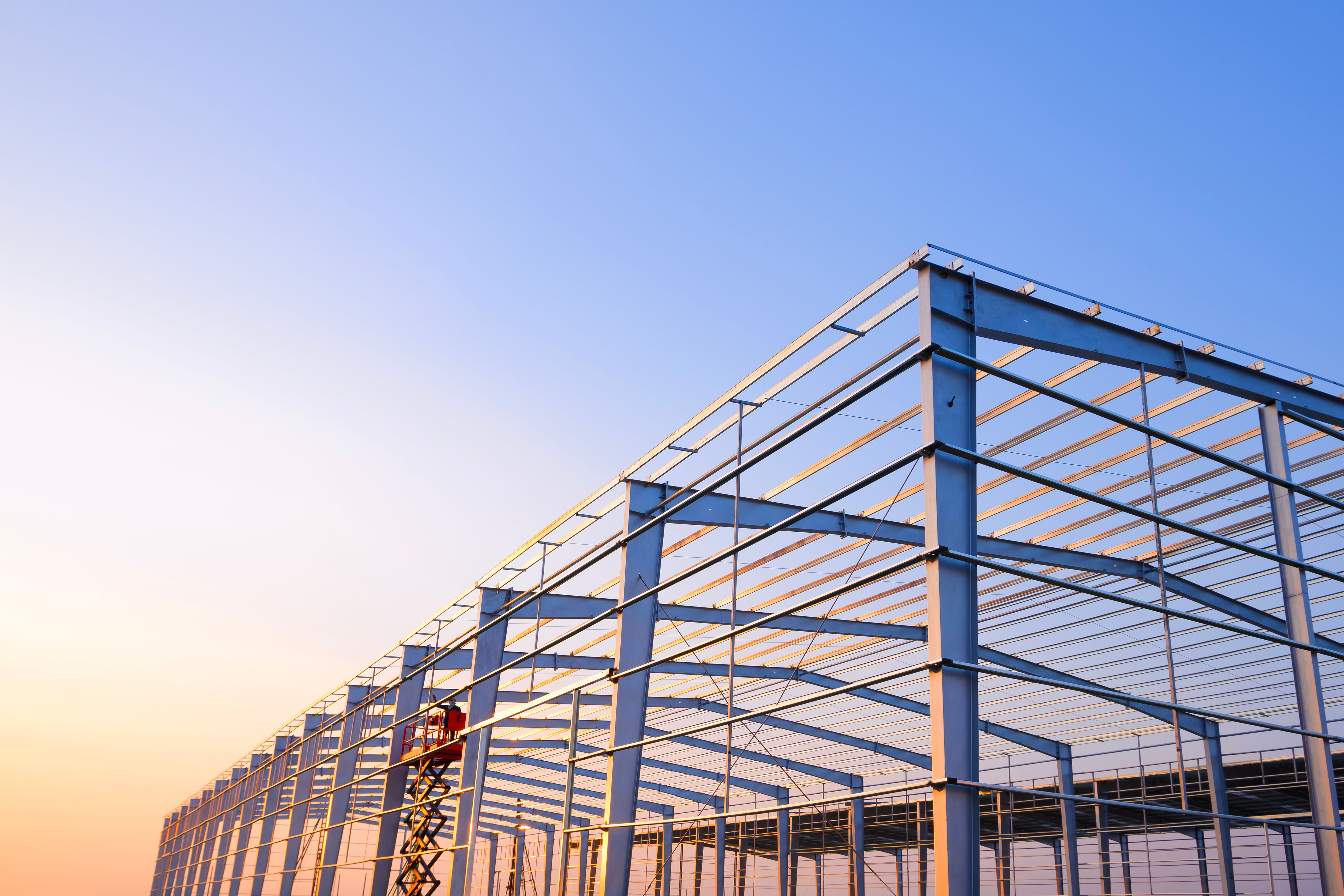
Another critical feature is the connection system. Storm-resistant trusses often use hurricane ties and metal connectors to keep the roof firmly attached to the walls. This prevents uplift during high winds, a common cause of roof damage during storms.
Benefits of Using Storm-Resistant Trusses
Investing in storm-resistant trusses offers several benefits. First and foremost, they provide peace of mind. Knowing your home can withstand severe weather reduces stress and potential repair costs. Additionally, these trusses can improve energy efficiency by maintaining the structural integrity of the home, reducing drafts and leaks.

Another advantage is the potential for insurance savings. Many insurance companies offer discounts for homes equipped with storm-resistant features. This can make the initial investment more cost-effective in the long run.
Choosing the Right Trusses for Your Home
Selecting the right trusses involves consulting with professionals who understand the unique challenges of coastal environments. Structural engineers and contractors can provide valuable insights into the best materials and designs for your specific location. It's important to choose trusses that not only meet local building codes but also exceed them to ensure maximum safety.
Consider factors such as wind speed ratings and corrosion resistance. Coastal areas often have salty air, which can accelerate the deterioration of certain materials. Opt for trusses that are specifically treated to withstand these conditions.
Installation and Maintenance Tips
Proper installation is key to the effectiveness of storm-resistant trusses. Always hire experienced contractors who are familiar with the specific demands of coastal construction. Regular maintenance checks are also essential to ensure that all components remain in good condition.
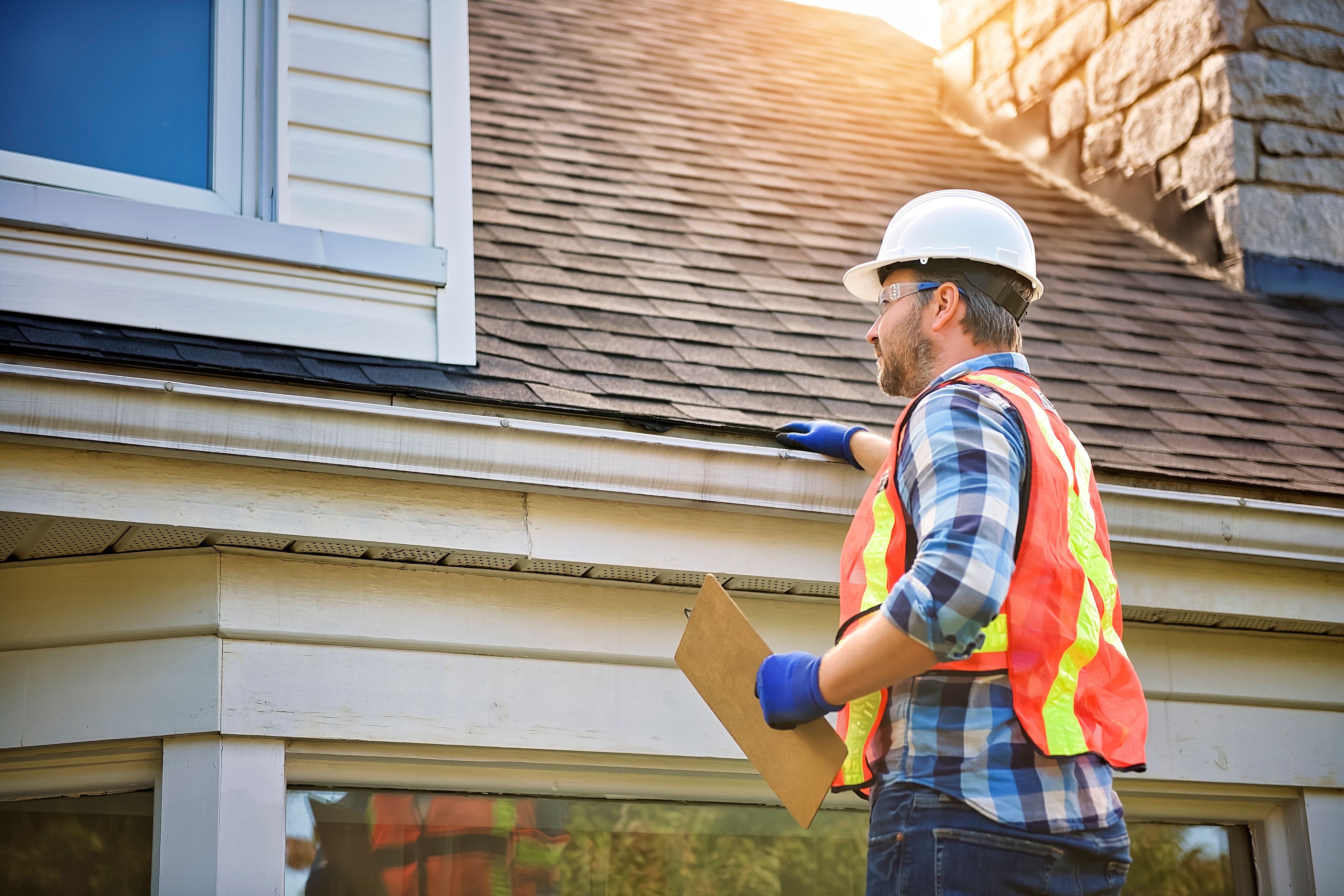
Inspect connections and fasteners for signs of wear or corrosion, and address any issues promptly. Keeping your roof in top shape will extend its lifespan and continue to protect your home from the elements.
Final Thoughts
Storm-resistant trusses are an essential investment for any coastal homeowner. By understanding their importance and selecting the right features, you can protect your property from the harshest weather conditions. With the right preparation and maintenance, these trusses will provide long-lasting security and peace of mind.