
Debunking Myths About Wood Trusses vs. Steel Trusses
Understanding Wood Trusses and Steel Trusses
When it comes to construction, choosing between wood trusses and steel trusses is a common dilemma. Both materials have their own advantages and disadvantages, but many misconceptions can cloud the decision-making process. In this article, we aim to debunk some of the most prevalent myths.
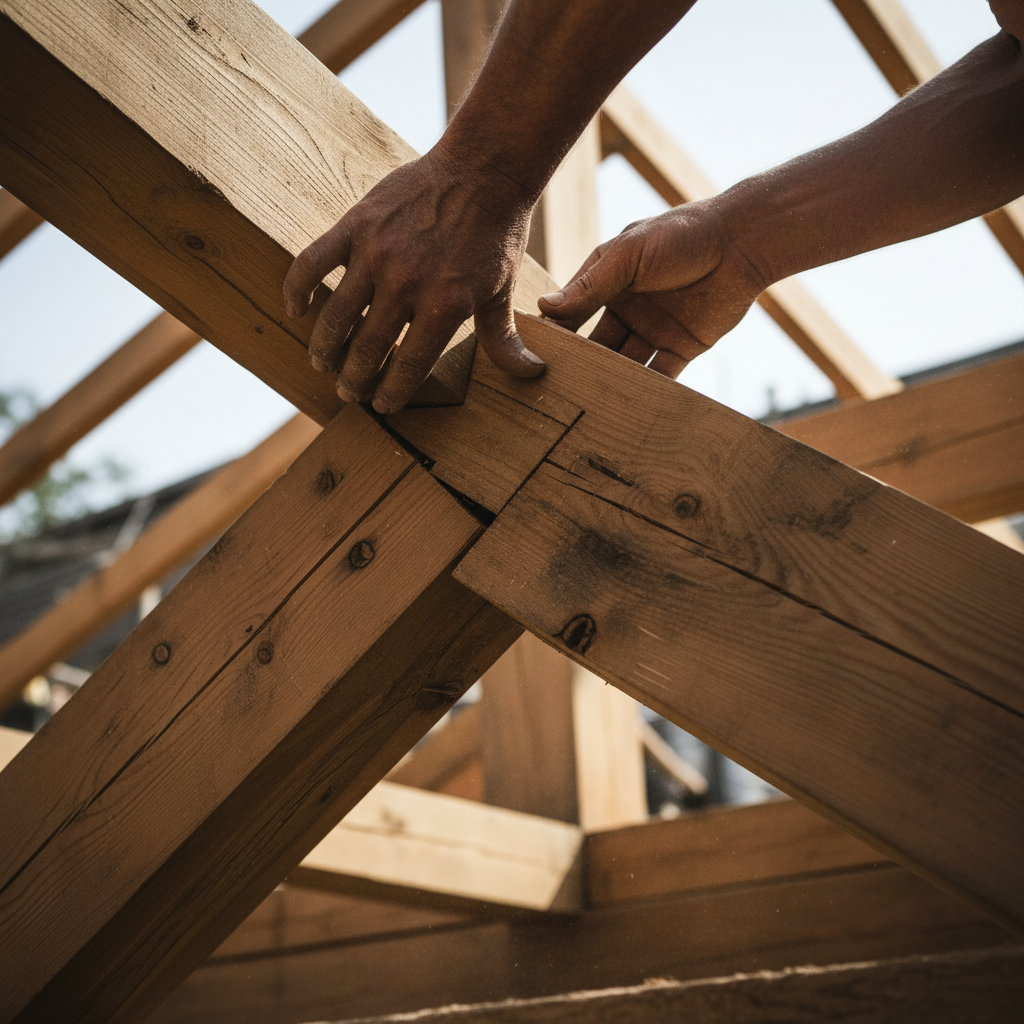
Myth 1: Wood Trusses Are Less Durable Than Steel Trusses
A common belief is that wood trusses are inherently less durable than steel trusses. While it's true that steel is a stronger material, modern wood trusses are engineered to be incredibly resilient. With proper treatment and maintenance, wood trusses can last for decades, even in harsh weather conditions.
Furthermore, wood trusses have a natural ability to flex, which can be beneficial in areas prone to earthquakes. This flexibility helps them absorb movement better than rigid steel counterparts.
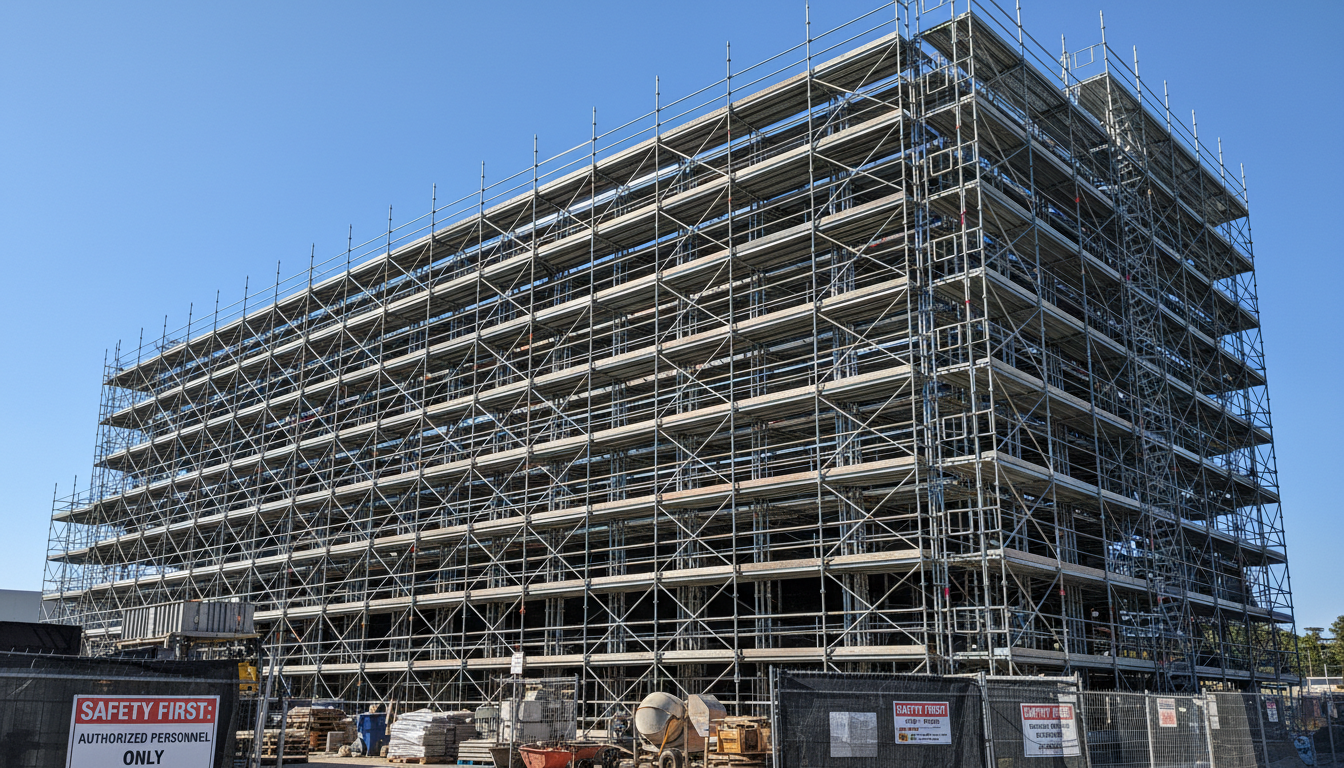
Myth 2: Steel Trusses Are Always More Expensive
Another misconception is that steel trusses are always more costly than wood. The cost of materials can fluctuate based on market conditions, but the overall expense also depends on design, labor, and transportation. In some cases, steel trusses can actually be more economical when considering long-term maintenance and strength requirements.
Additionally, steel trusses often allow for longer spans without the need for additional support, which can reduce costs in certain architectural designs.
Myth 3: Wood Trusses Are Not Eco-Friendly
Many people assume that using wood trusses is detrimental to the environment. However, wood is a renewable resource, and sustainable forestry practices ensure that forests are replanted and managed responsibly. Furthermore, wood trusses have a smaller carbon footprint during production compared to steel, making them a greener choice in many cases.
Myth 4: Steel Trusses Are Completely Fireproof
While steel is not combustible, it can lose strength at high temperatures, contrary to the belief that it is completely fireproof. Wood trusses, when treated with fire-retardant chemicals, can offer significant fire resistance. It's essential to consider local building codes and fire safety standards when selecting truss materials.
Both wood and steel trusses have their own fire safety considerations, and the choice should be based on specific project needs, including budget, climate, and building design.
Conclusion: Making an Informed Decision
Choosing between wood trusses and steel trusses involves weighing various factors, including durability, cost, environmental impact, and fire safety. By understanding and debunking these common myths, builders and homeowners can make more informed decisions that align with their project goals.
Ultimately, both wood and steel trusses have their unique benefits, and the best choice depends on the specific requirements of each construction project. Consulting with a structural engineer or architect can provide additional insights tailored to your needs.