Common Misconceptions About Wooden Trusses: Expert Insights
Understanding Wooden Trusses
Wooden trusses are a popular choice in construction due to their versatility and strength. However, there are several misconceptions that often surround their use. By understanding these myths, builders and homeowners can make more informed decisions about their construction projects.
Myth: Wooden Trusses Are Weak
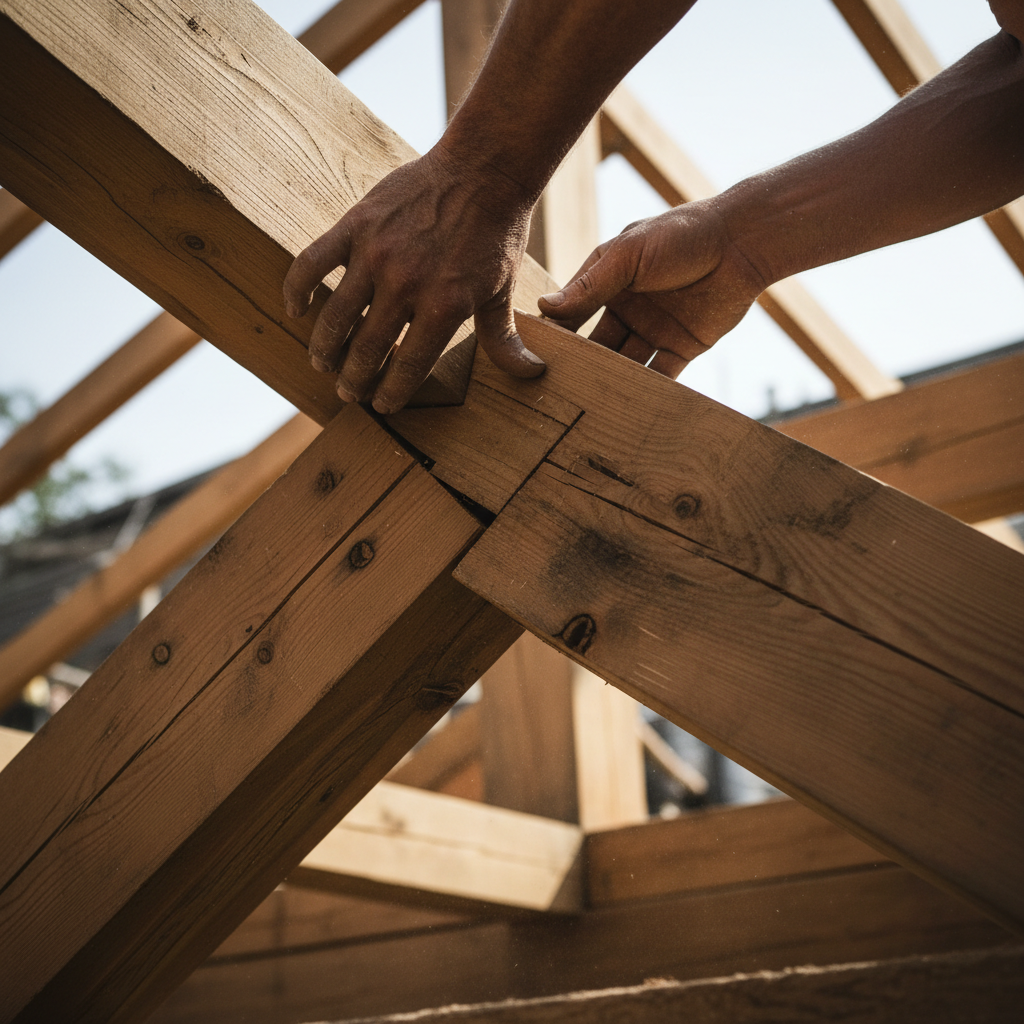
One of the most common misconceptions is that wooden trusses are not strong enough for large structures. In reality, wooden trusses are engineered to provide exceptional strength and support. They are designed to distribute weight evenly, making them ideal for both residential and commercial buildings.
Advanced engineering techniques allow for the creation of trusses that can handle significant loads. This makes them comparable, and often superior, to other building materials like steel in certain applications.
Myth: Wooden Trusses Are Prone to Rot
Another common belief is that wooden trusses are highly susceptible to rot and insect damage. While it's true that untreated wood can be vulnerable, modern trusses are typically treated with preservatives that significantly extend their lifespan. Proper maintenance and inspection further reduce the risk of damage.
In addition, selecting the correct type of wood and ensuring proper installation can greatly minimize potential issues. With the right precautions, wooden trusses can last for decades without significant degradation.
Myth: Wooden Trusses Are Expensive
Cost is often a concern for builders, leading to the misconception that wooden trusses are prohibitively expensive. In fact, they can be a cost-effective solution. The prefabrication process allows for efficient production, reducing labor costs and construction time.

Moreover, wooden trusses are lightweight, which can lower transportation costs. When considering the long-term benefits and savings on installation, they often prove to be a financially sound choice.
Myth: Wooden Trusses Limit Design Flexibility
Some people believe that using wooden trusses restricts architectural creativity. However, modern truss design offers a wide array of configurations that can accommodate virtually any architectural style. From complex angles to open spaces, wooden trusses provide remarkable flexibility in design.
Architects and engineers can work together to create custom truss designs that meet specific aesthetic and structural needs, ensuring that creativity is not compromised.
Embracing the Benefits of Wooden Trusses
By debunking these misconceptions, it's clear that wooden trusses offer numerous advantages. Their strength, durability, cost-effectiveness, and flexibility make them a valuable component in modern construction. Understanding the realities of wooden trusses can lead to better decisions and more successful building projects.