
Common Misconceptions About Trusses: What Homeowners Need to Know
Understanding Trusses
When it comes to home construction, trusses play a crucial role in providing support and stability. Despite their importance, several misconceptions about trusses can lead to confusion among homeowners. It's essential to separate fact from fiction to make informed decisions about your home's structure.
Many homeowners believe that trusses are a one-size-fits-all solution. In reality, trusses are custom-designed to meet the specific needs of each building. Factors such as roof design, load requirements, and building dimensions all influence the type of truss used. Understanding this can help you appreciate the complexity and precision involved in truss construction.
Trusses vs. Traditional Framing
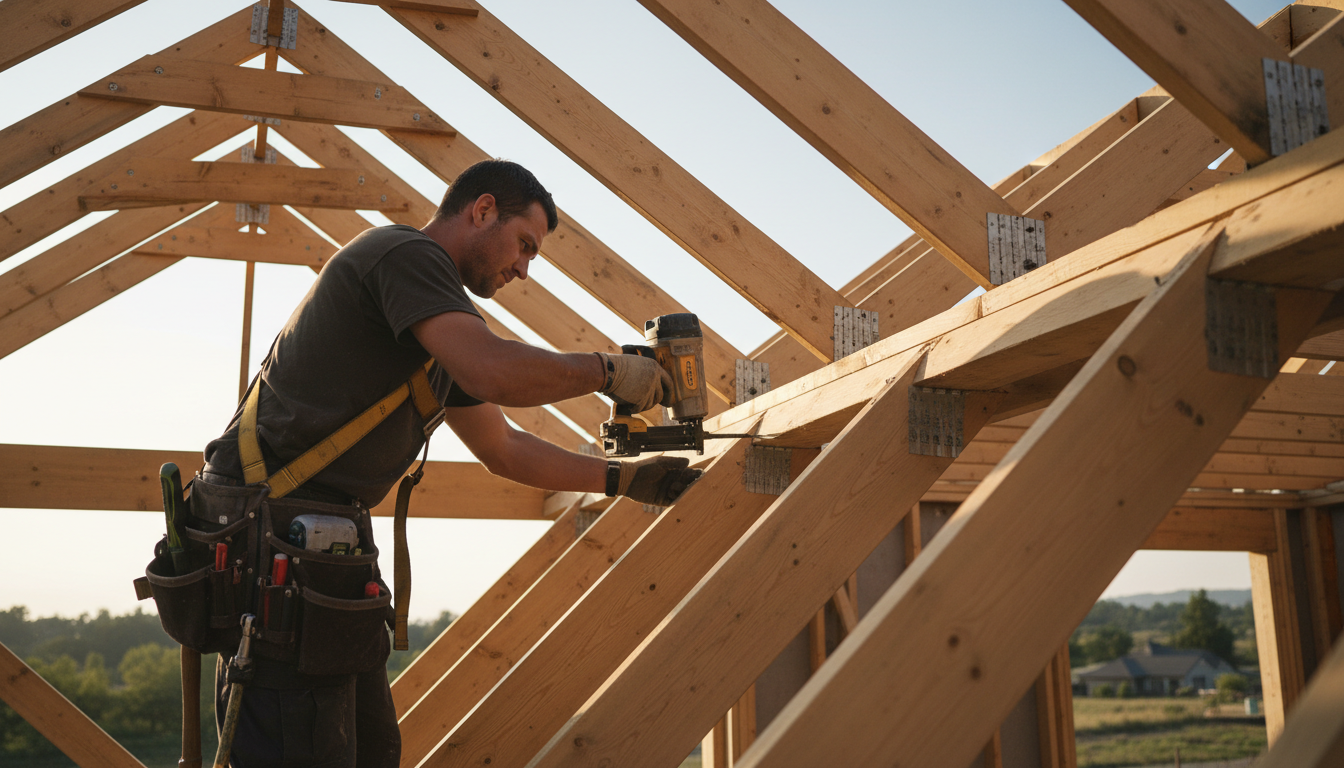
Another common misconception is that traditional framing is superior to trusses. While both methods have their merits, trusses offer several advantages. For instance, they are typically more cost-effective and quicker to install. The precision of a factory-built truss often results in fewer errors and a more reliable structure.
Homeowners should also be aware that trusses can span greater distances without support columns, offering more flexibility in interior design. This can lead to more open floor plans and aesthetically pleasing spaces without compromising structural integrity.
Strength and Durability
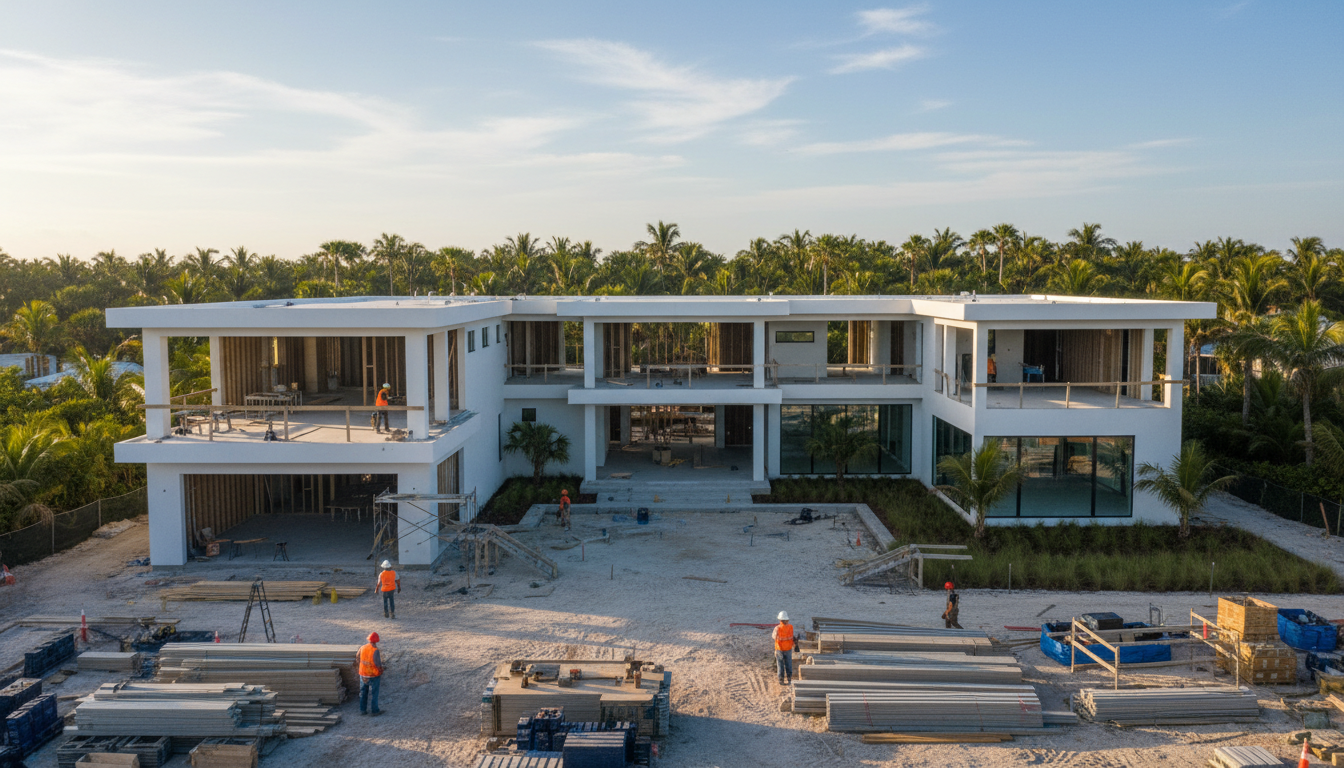
Some people mistakenly believe that trusses are not as strong or durable as other roofing systems. In truth, trusses are engineered to withstand significant loads and are often more resilient than traditional rafters. The design of a truss distributes weight evenly across a structure, providing enhanced support and stability.
Moreover, trusses are built to comply with strict building codes and standards. This ensures that they can endure various weather conditions and provide long-lasting performance for your home.
Maintenance and Repairs
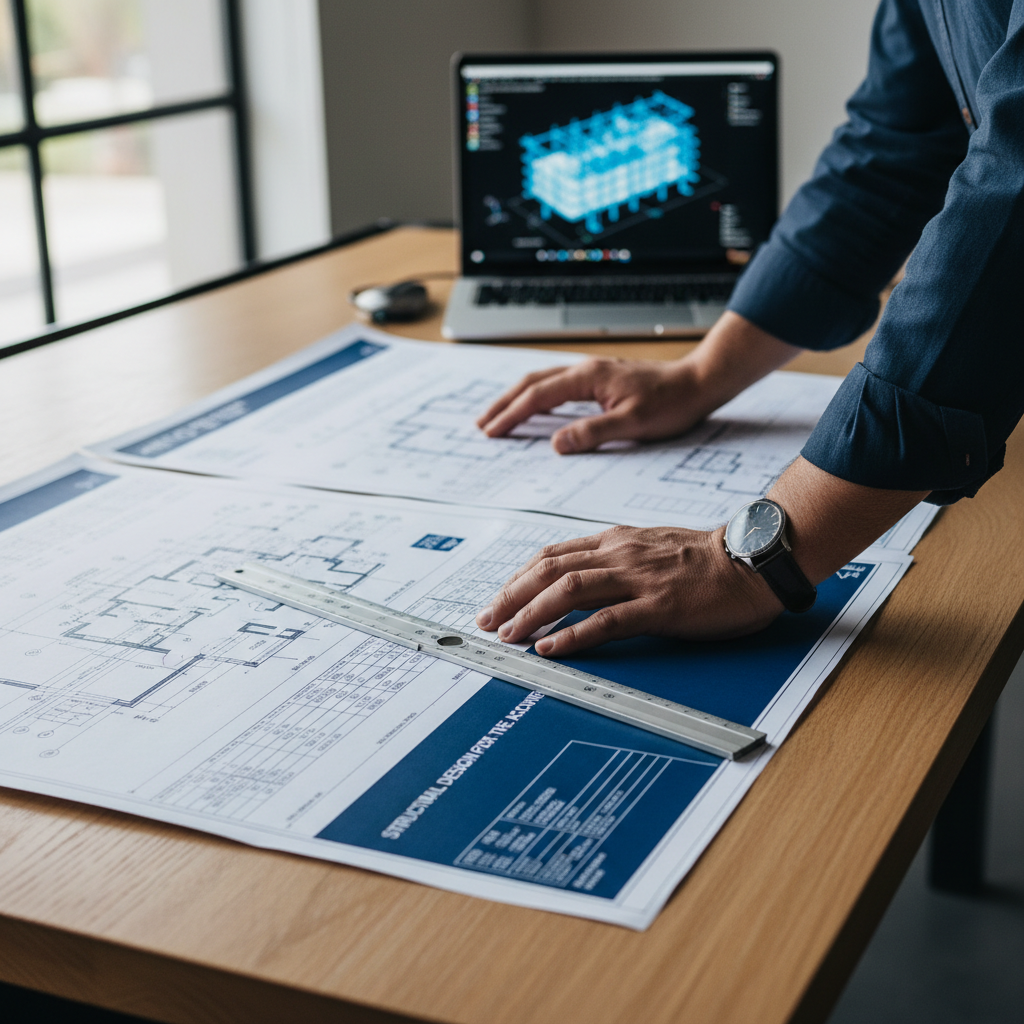
Homeowners might assume that trusses require constant maintenance. However, trusses are generally low-maintenance components. Regular inspections are recommended to ensure there are no signs of damage or wear, but they typically do not require frequent repairs.
If repairs are needed, it's important to consult a professional. Attempting DIY repairs on trusses can lead to further damage and may compromise the structural integrity of your home. Professional contractors have the expertise to address any issues safely and effectively.
Environmental Impact
Lastly, there is a misconception that trusses are not environmentally friendly. In fact, trusses are often constructed from sustainably sourced wood and designed to minimize waste. Their efficient design can also contribute to energy savings by improving insulation and reducing the need for additional materials.
By understanding these common misconceptions, homeowners can make better decisions regarding their home's construction and maintenance. Trusses offer a reliable, efficient, and sustainable option for modern homes, making them a valuable component of any building project.