
Choosing Storm-Resistant Trusses for Coastal Areas: What You Need to Know
When living in coastal areas, one of the most critical considerations for home construction is selecting storm-resistant trusses. These trusses are key to ensuring your home can withstand the high winds and severe weather conditions typical of coastal regions. Understanding what to look for can make all the difference in protecting your home.

What Are Storm-Resistant Trusses?
Storm-resistant trusses are specially designed structural components that provide enhanced durability and stability to roofs. These trusses are engineered to withstand extreme weather conditions such as hurricanes and tropical storms, which are common in coastal areas. By investing in storm-resistant trusses, you can significantly reduce the risk of structural damage during severe weather events.
Materials Matter
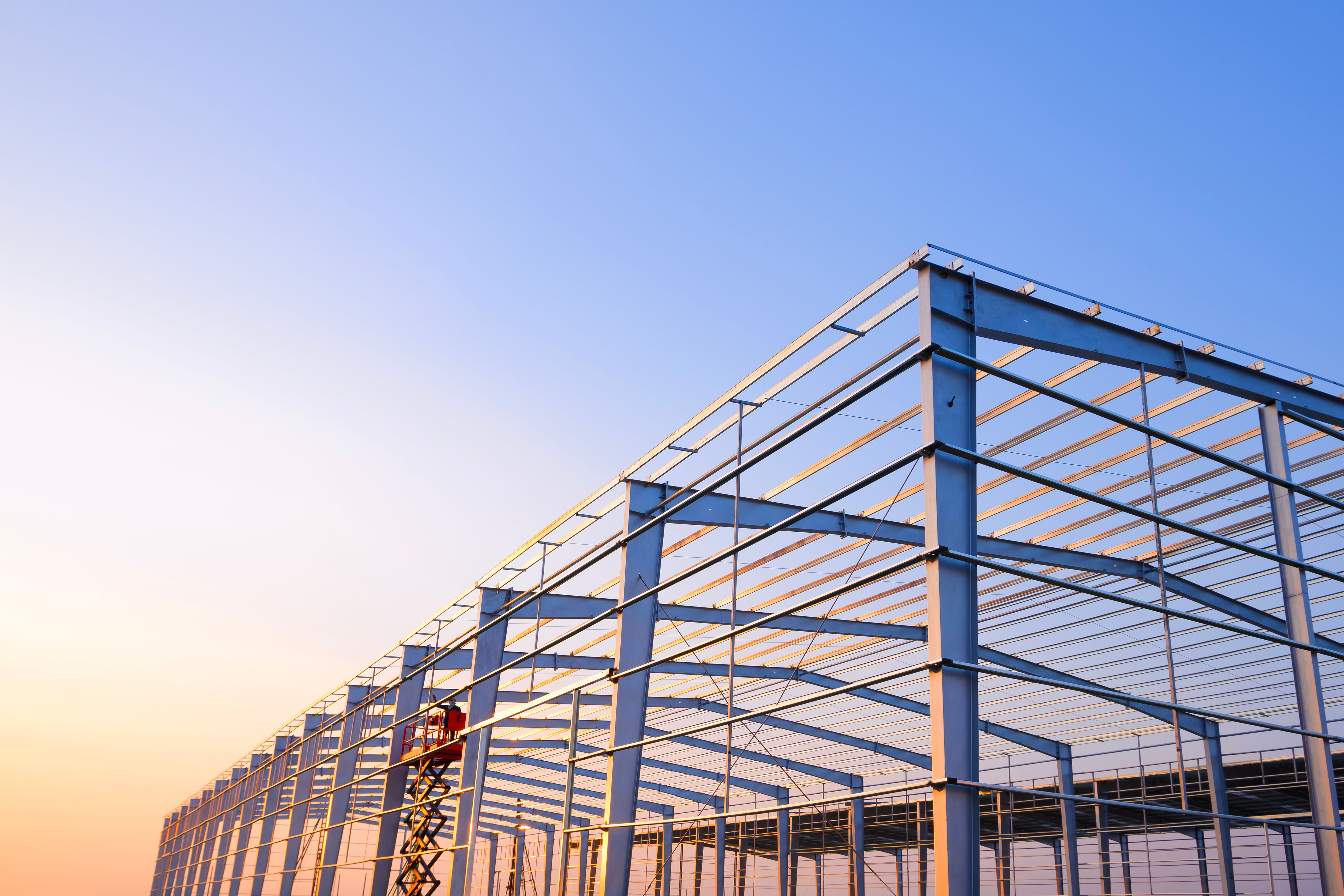
One of the most important factors in choosing storm-resistant trusses is the material. Common materials include wood, steel, and aluminum. Steel trusses are often recommended for their strength and durability. They are less susceptible to moisture damage, which is a crucial consideration in humid coastal environments. Wooden trusses, when treated properly, can also offer substantial strength and flexibility.
Design Considerations
The design of the trusses is another critical aspect to consider. Roof trusses should be designed to distribute weight evenly and provide stability. Look for designs that include cross-bracing or other reinforcement methods. These designs help the trusses withstand lateral forces caused by high winds.
Installation Techniques
Proper installation is just as important as choosing the right materials and design. Ensure that the trusses are installed by experienced professionals who understand the specific challenges of coastal environments. This includes using the correct fasteners and ensuring that all components are securely connected.
Building Codes and Regulations
Before selecting trusses, it's essential to be familiar with local building codes and regulations. Coastal areas often have stringent requirements for wind resistance. Consult with local authorities or building professionals to ensure that your trusses comply with these regulations. This will not only ensure safety but also avoid potential legal issues.
Cost vs. Benefit
While storm-resistant trusses may represent a more significant initial investment, the long-term benefits often outweigh the costs. The enhanced protection they provide can save you from costly repairs and insurance claims in the event of a storm. Consider the investment as a safeguard for your property and peace of mind.

Conclusion
Choosing the right storm-resistant trusses is a vital step in protecting your coastal home from severe weather. By focusing on material quality, design, installation, and compliance with local regulations, you can ensure that your home is prepared to face the elements. Remember, the right trusses not only fortify your home but also provide invaluable security for you and your family.