
Choosing Between Glulam Beams and Traditional Trusses: A Comprehensive Comparison
Introduction to Glulam Beams and Traditional Trusses
When it comes to constructing a roof or supporting a structure, choosing the right materials is crucial. Among the popular options are glulam beams and traditional trusses. Both offer distinct advantages, but how do you decide which is best for your project? This comparison aims to help you make an informed decision by highlighting the key differences and benefits of each option.
Understanding Glulam Beams
What Are Glulam Beams?
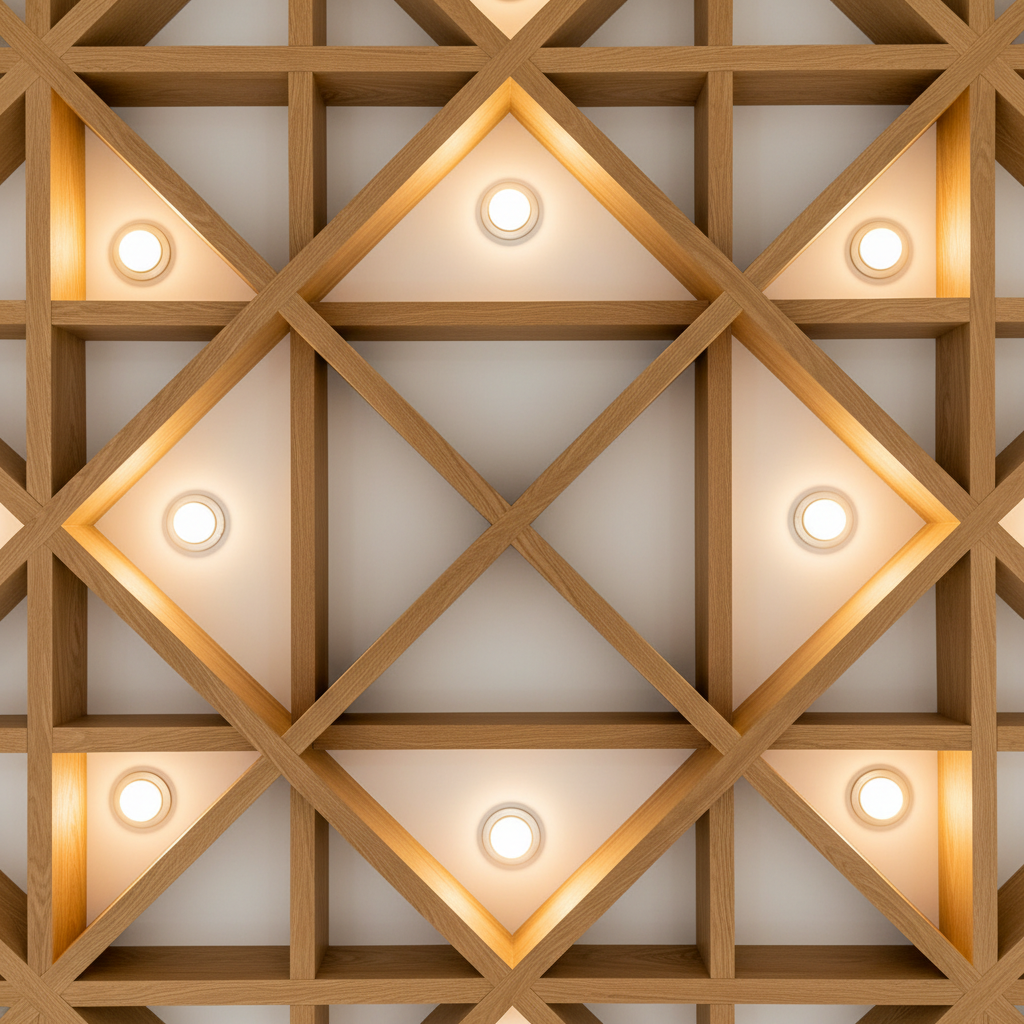
Glulam, short for glued laminated timber, is a type of engineered wood product made by gluing together several layers of dimensional lumber. This process creates a strong and durable beam that can be used in a variety of structural applications. Glulam beams are known for their strength and versatility, making them a popular choice for architects and builders.
Advantages of Glulam Beams
One of the main advantages of glulam beams is their strength-to-weight ratio. These beams can support heavy loads without being excessively heavy themselves. Additionally, glulam beams offer a high degree of design flexibility, allowing for curves and unique shapes that are not possible with traditional solid wood beams.

Exploring Traditional Trusses
What Are Traditional Trusses?
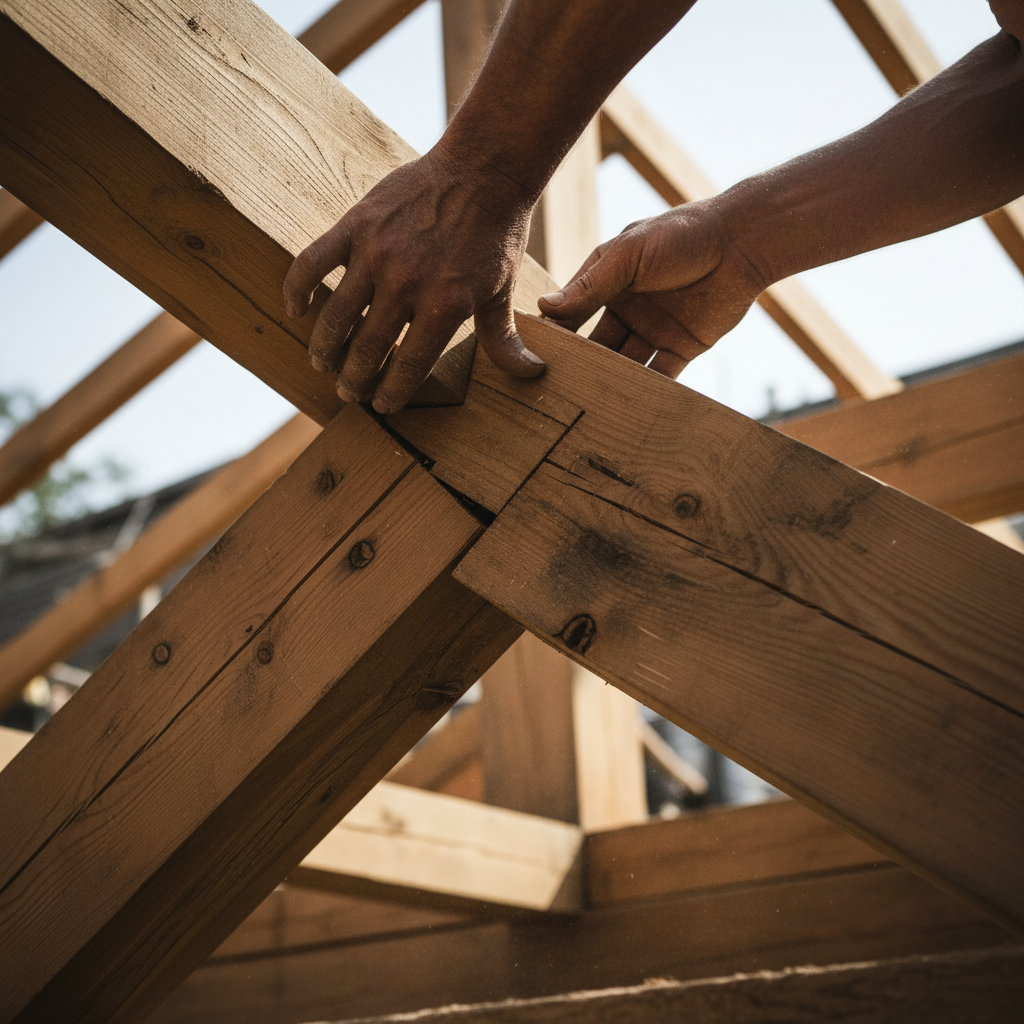
Traditional trusses are a framework of beams, usually arranged in triangular units, that provide structural support for roofs and other structures. They have been used for centuries and are a tried-and-true method for supporting large spans.
Benefits of Traditional Trusses
Traditional trusses offer several benefits, including cost-effectiveness and ease of installation. They are often prefabricated, which can reduce construction time on site. Trusses also provide excellent support and stability, making them a reliable choice for many building projects.
Comparing Cost and Installation
When comparing costs, traditional trusses typically have a lower initial price point. However, glulam beams can offer long-term savings due to their durability and reduced maintenance needs. Installation processes also differ, with trusses generally being quicker to install, while glulam may require more specialized labor.
Aesthetic Considerations
In terms of aesthetics, glulam beams often provide a more modern and sleek appearance, which can enhance the visual appeal of a building. On the other hand, traditional trusses offer a classic look that can complement rustic or traditional architectural styles.
Environmental Impact
Both glulam beams and traditional trusses can be environmentally friendly options. Glulam is made from smaller pieces of wood, which can reduce waste and make use of sustainably sourced materials. Traditional trusses can also be made from sustainably harvested timber, contributing to eco-friendly construction practices.
Conclusion: Making the Right Choice
Ultimately, the decision between glulam beams and traditional trusses will depend on your specific project requirements, budget, and aesthetic preferences. By weighing the benefits and considerations of each option, you can choose the material that best aligns with your construction goals.