
Building Resilience: Storm-Resistant Trusses for Coastal Areas
Understanding the Importance of Storm-Resistant Trusses
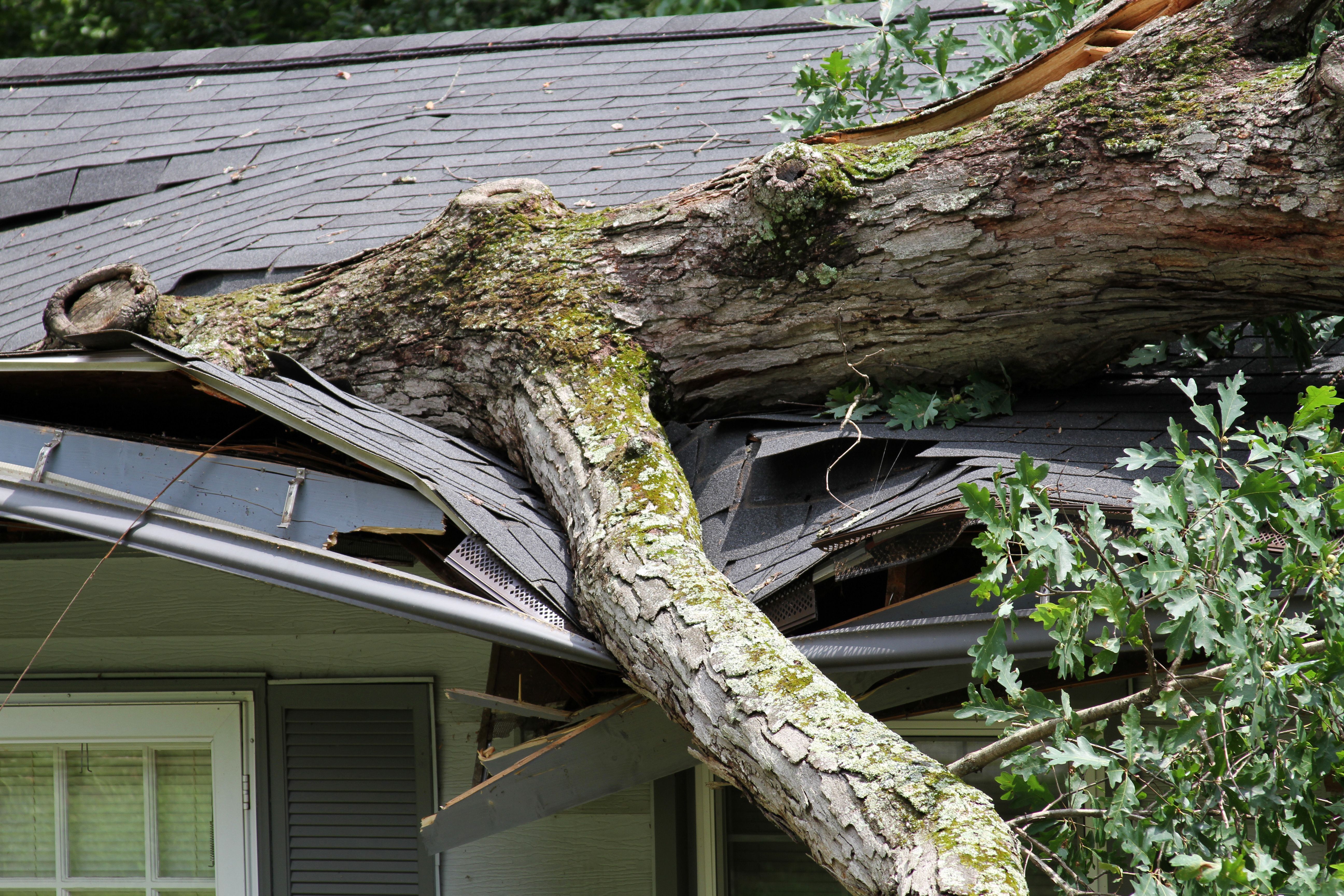
Coastal areas are beautiful places to live, but they come with their own set of challenges, especially when it comes to weather. **Storms pose significant risks** to structures in these regions, making it essential to focus on building resilience. One crucial element in fortifying homes and buildings against storms is the use of storm-resistant trusses.
Trusses are the framework that supports the roof, playing a pivotal role in a building's overall stability. In coastal areas, where high winds and heavy rains are common, having robust trusses can make the difference between minor damage and total collapse.
Key Features of Storm-Resistant Trusses
Storm-resistant trusses are designed with specific features that enhance their durability and strength. These trusses often use materials such as **engineered wood or steel**, which offer superior resistance to strong winds and water damage. Additionally, they are usually treated with protective coatings to prevent corrosion from salt air, a common issue in coastal regions.
Another vital aspect is the design of the trusses themselves. Advanced engineering techniques allow for trusses that distribute stress more evenly across the structure, reducing the risk of failure during extreme weather events.
Benefits of Installing Storm-Resistant Trusses
Investing in storm-resistant trusses provides numerous benefits. Firstly, they offer peace of mind, knowing that your building is better equipped to withstand severe weather. Secondly, they can lead to **lower insurance premiums**, as many insurance companies recognize the reduced risk associated with these enhanced structures.

Additionally, storm-resistant trusses can lead to long-term savings on repairs and maintenance. By reducing the likelihood of structural damage, homeowners and property managers can save a significant amount over time.
Choosing the Right Trusses for Your Needs
Selecting the appropriate storm-resistant trusses involves considering several factors, such as the specific weather threats in your area, the type of building, and your budget. Consulting with a structural engineer or a specialized contractor can provide valuable insights and ensure that the trusses meet local building codes and standards.
It’s also important to consider the **environmental impact** of your choice. Opting for sustainable materials and designs can contribute to a greener building approach, aligning with broader environmental goals.
Installation and Maintenance Tips
Proper installation is critical to the effectiveness of storm-resistant trusses. Ensuring that they are installed by experienced professionals can make a significant difference in their performance. Regular maintenance checks are also crucial, especially after severe weather, to ensure that the trusses remain in optimal condition.
Simple maintenance practices, such as clearing debris and checking for signs of wear or damage, can extend the lifespan of your trusses, providing continued protection against storms.
Conclusion
Building resilience in coastal areas is essential for protecting both lives and property. Storm-resistant trusses offer a practical and effective way to enhance the durability of structures in these regions. By understanding their benefits and features, and by choosing the right trusses for your needs, you can significantly improve the storm readiness of your building. Embracing these advancements not only safeguards against immediate threats but also contributes to a more sustainable and secure future.